Best known for playing Captain James T. Kirk in the iconic Star Trek franchise, William Shatner is selling signed and authenticated NFTs. In conjunction with Mattereum, Shatner is auctioning real-world asset non-fungible tokens (rwaNFTs) via the OpenSea marketplace.
Who wants the first real world cigar on the blockchain? Or Denny Crane prop Business card? @justinsuntron? @VitalikButerin? @cameron? 🤷🏼♂️ There’s @StarTrek props & @MegoCorp signed Captain Kirk action figures all 1sts & guaranteed via authentication to be genuine for eternity!👇🏻🙌🏻 https://t.co/YbJn5CZtdO
— William Shatner (@WilliamShatner) March 30, 2021
Real World NFTs From Star Trek and Boston Legal up For Grabs
The word NFTs conjures up thoughts of digital artwork for most people. But, NFTs can encompass a variety of other use cases, including event tickets, identity documentation, and gaming items.
Off the back of several high-profile sales, most notably Beeple’s First 5000 Days, it’s the NFT art market that has garnered the most attention in recent times. However, despite bringing art to a whole new audience, some art purists say there’s no substitute for physical art.
But that argument becomes void when it comes to the tokenization of real-world assets. Shatner’s rwaNFTs represent memorabilia and props from his roles as Captain Kirk of Star Trek and Denny Crane from Boston Legal.
The rwaNFTs are blockchain tokens that give digital ownership of a physical good recorded on the Ethereum blockchain. Third Millennia are responsible for ensuring items meet the expectations of collectors. At the same time, Mattereum has handled the asset passports, vaulting, and insurance.
The holder of the rwaNFT can exchange the token for the physical item and have it shipped to them. It’s assumed the rwaNFT is burned once exchanged. Alternatively, they can choose to keep the NFT and trade it with others.
Shatner commented that this collaboration is a prime example of bridging the digital and physical world. He called this the future of consumer products, where blockchain technology assures authenticity for buyers.
“I am thrilled that the first authenticated products from my new company, Third Millennia, are coming to auction. These figures, pieces and props represent a bold step into the future of consumer products where, using crypto technology, consumers can be assured of what they purchased. This is the future everybody.“
Tokenization Will Revolutionize Capital Markets
In the case of Shatner NFTs, the primary benefit of tokenization comes down to the authentication of collectibles. However, asset tokenization has the potential to transform and modernize the entire global economy.
This is because many real-world assets are considered illiquid. Things such as land and gemstones are somewhat difficult to turn into cash at short notice.
But tokenizing physical assets unlocks their potential by providing a framework with which to trade these assets in a manner much more efficient than the current convention.
“Unlocking the capital market’s potential means enabling individuals to trade with any valuable asset, anywhere and anytime in a reliable and swift manner.”
The crypto economy is just beginning to inroads into the real world. It won’t be long before blockchain is an integral part of everyday life.
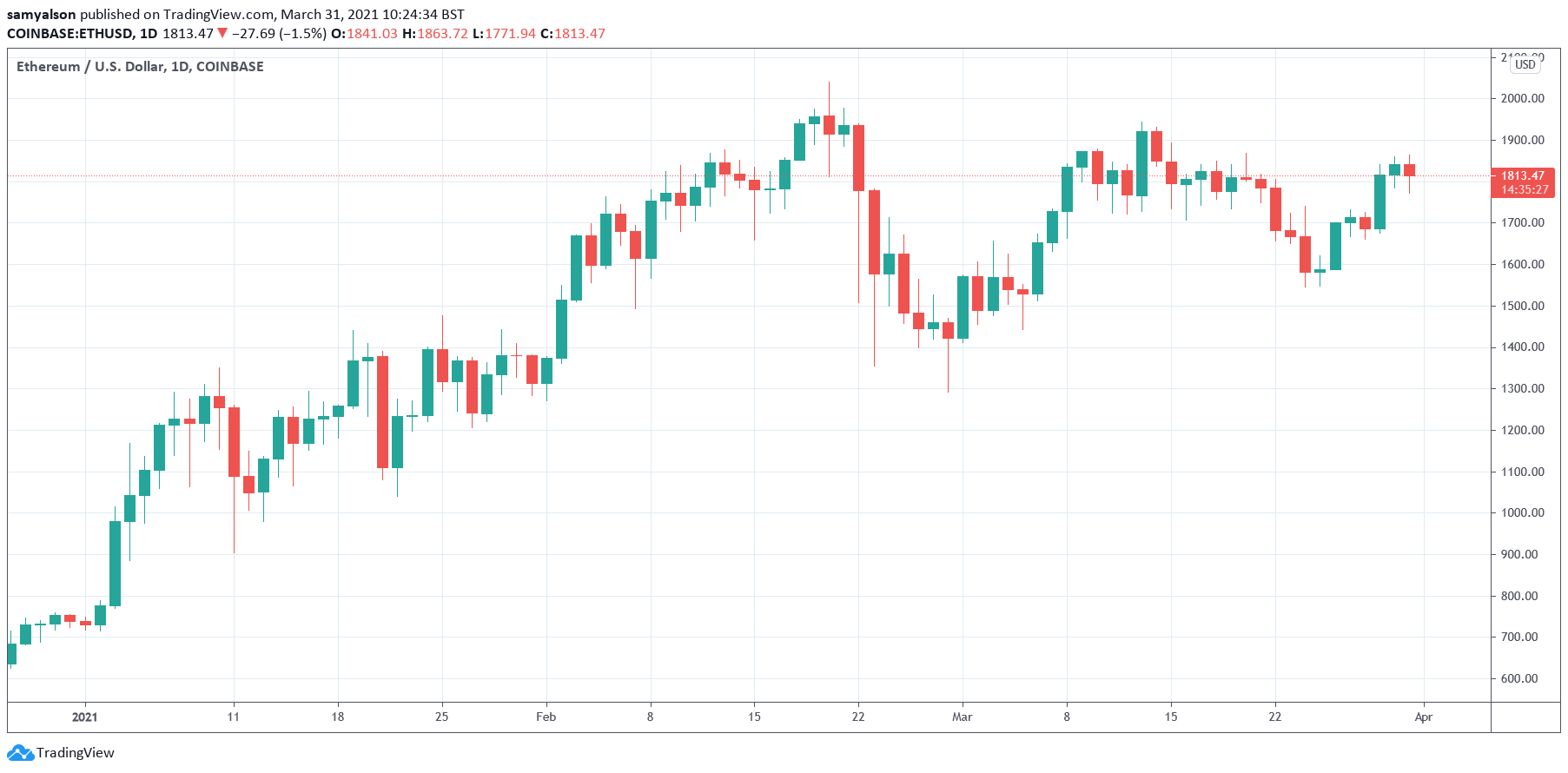
Source: ETHUSD on TradingView.com
from NewsBTC https://ift.tt/39sEnCU
via IFTTT
Comments
Post a Comment
Any questions, Please.